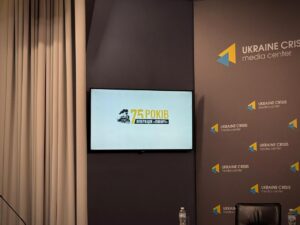
On April 8, Ukraine is marking at the state level, for the first time, the memory of the victims of the mass deportation of Jehovah’s Witnesses to Siberia. This date marks the 75th anniversary of the beginning of Operation Troika (North), carried out in 1951 by Soviet repressive authorities. As a result, more than 9,000 believers were forcibly relocated to remote regions of the USSR, including the Tomsk and Irkutsk regions.
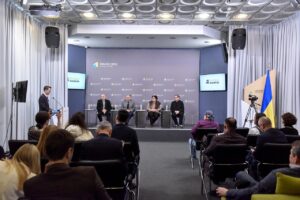
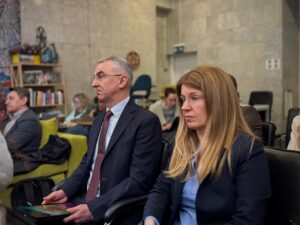
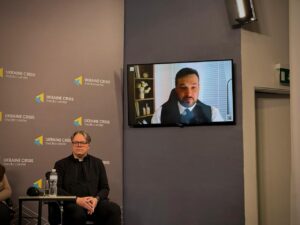
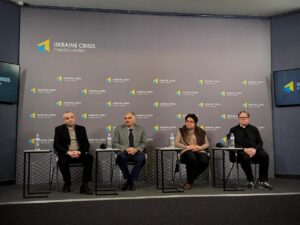
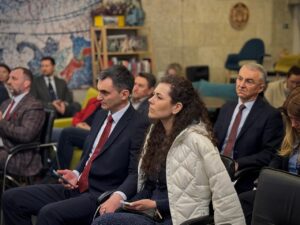
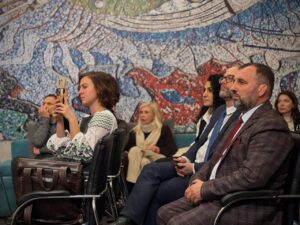
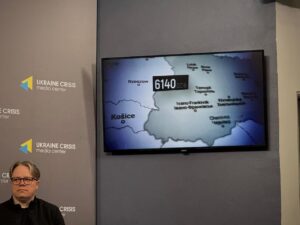
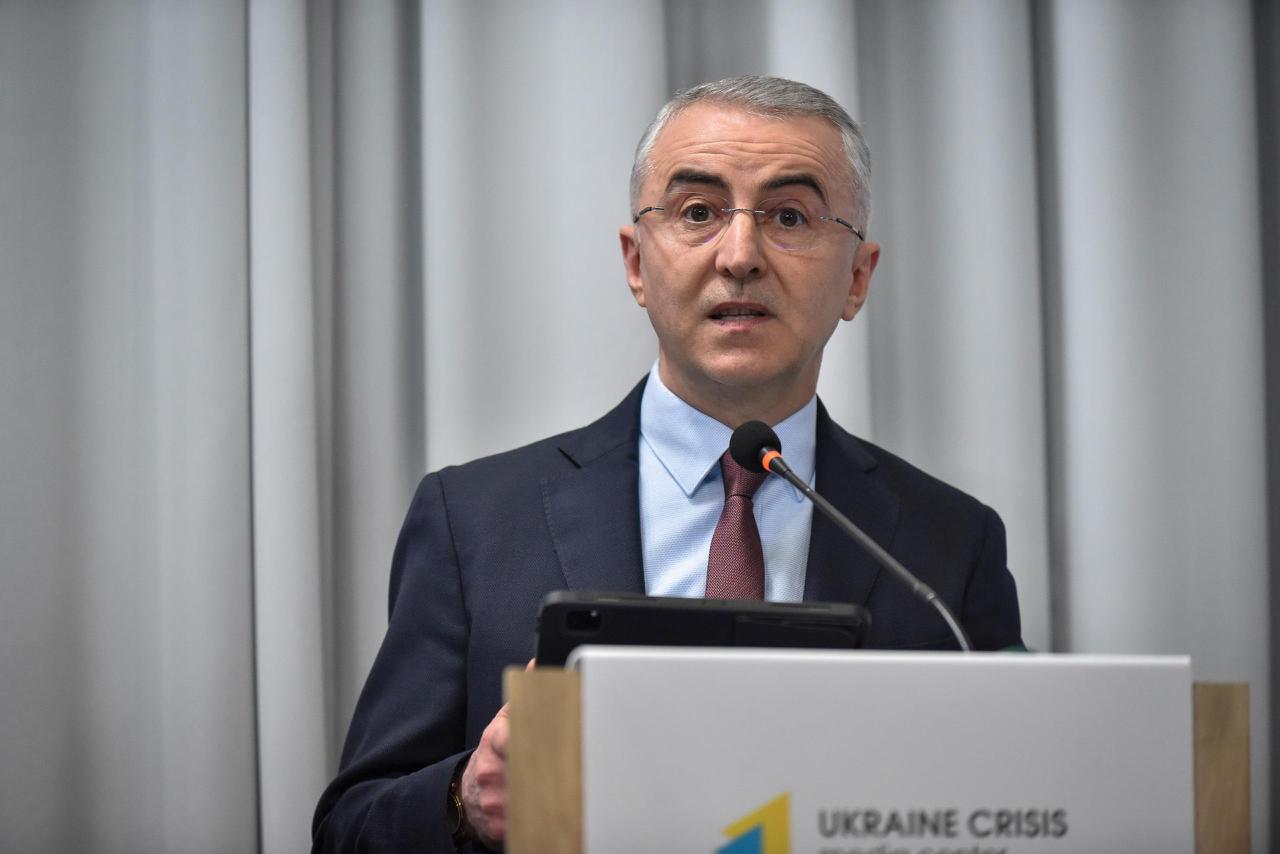
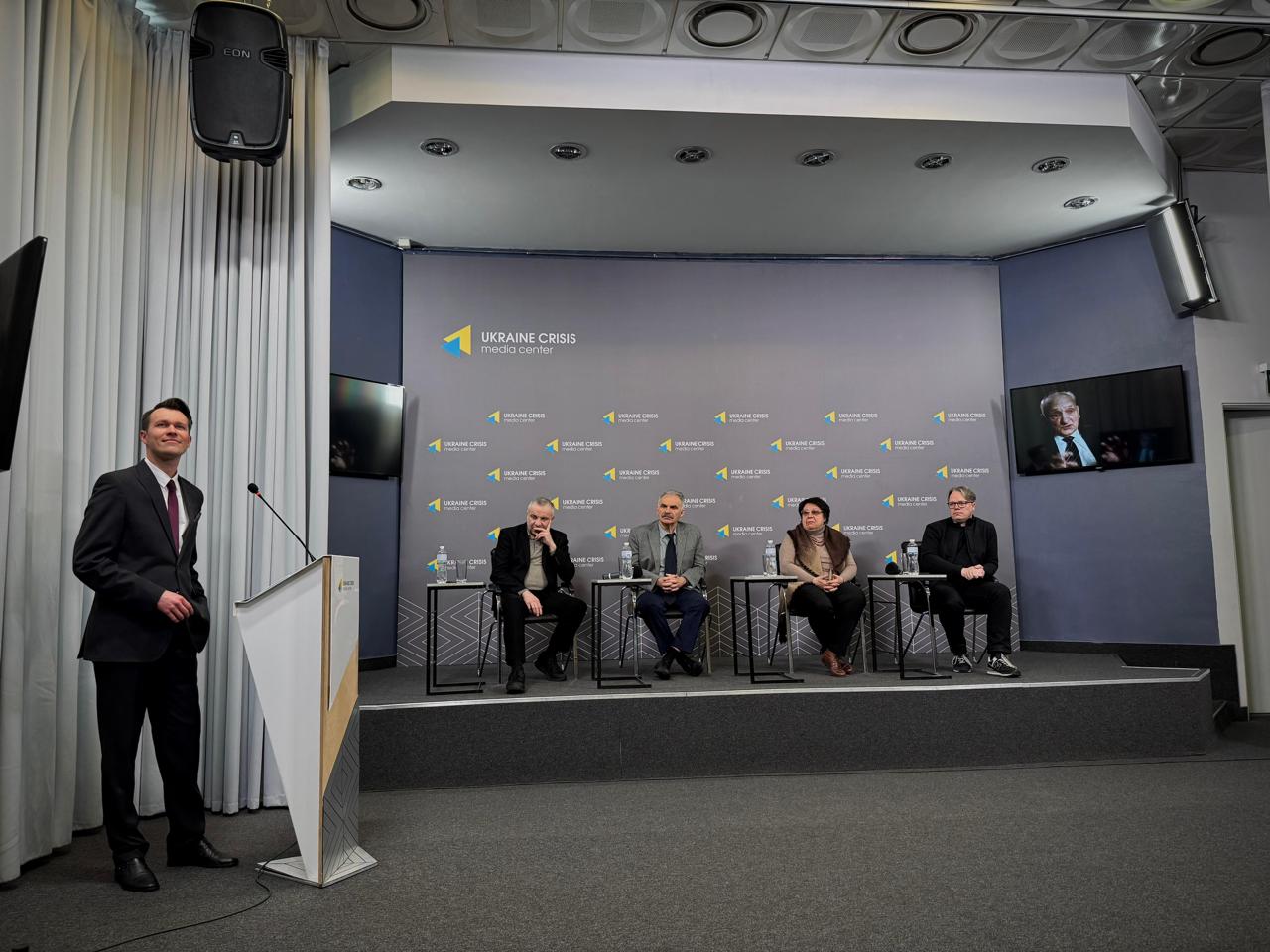
To commemorate this tragic anniversary, the State Service of Ukraine for Ethnic Policy and Freedom of Conscience (DESS), together with the Ukrainian Institute of National Memory, the Center of Jehovah’s Witnesses in Ukraine, and the Ukrainian Association of Researchers of Religion, organized a round table titled “Test of Faith: 75 Years of Operation North.” The event took place on April 7 at the Ukrainian Crisis Media Center.
Seventy-five years later, Ukraine is returning to this tragic page of history both to preserve memory and to reflect on contemporary challenges. The experience of people who endured deportation, the loss of their homes, the rupture of life continuity, and deep collective trauma has particular relevance today. Ukrainian society is once again undergoing trials due to Russia’s aggressive war, while the Kremlin regime continues to reproduce the repressive practices of the past, persecuting representatives of various religious communities in temporarily occupied territories.
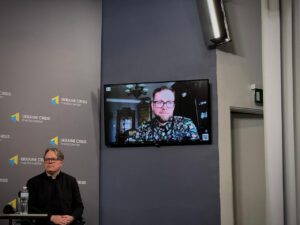
“We want to preserve this memory not only as descendants of the victims of repression, but above all as descendants of those who endured, did not renounce their convictions, and remained faithful to their beliefs,” said Illia Kobel, Head of the Center of Jehovah’s Witnesses in Ukraine, in his address to the round table participants.
He noted that today’s meeting aims to commemorate the anniversary of a tragic event that left a deep mark on Ukraine’s history and in the memory of many people. Public dialogue, particularly in the format of a round table involving scholars and experts, helps dismantle Soviet myths and misconceptions, fosters religious harmony and tolerance, and prevents discrimination and hate speech.
Illia Kobel also emphasized that in modern academic approaches, recovery is seen as a process that should begin already during a crisis. Therefore, rethinking the experience of deportation in the context of the ongoing war in Ukraine is extremely relevant and important.
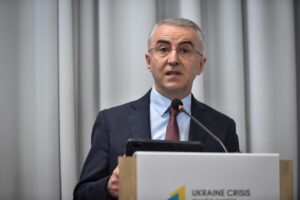
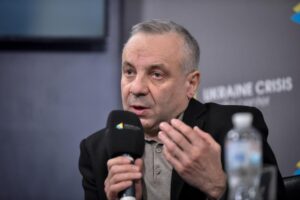
Viktor Yelenskyi, Head of DESS, stressed that the memory of the deportation remained unhealed for a long time. He recalled that the lists compiled by village councils during the Soviet period reflected the sorrowful path of the deportees: next to the names of those born in the 1950s and 1960s, the place of birth was often listed as “Zima station, Irkutsk region,” “the city of Bratsk,” or “Krasnoyarsk Krai.”
According to him, Jehovah’s Witnesses endured a test of faith—they refused to sign documents renouncing their organization, even though doing so could have saved their lives and the lives of their families.
“The struggle of Jehovah’s Witnesses allows us to recognize them as a major religious community that has made an invaluable contribution to the development of what we today understand as religious freedom. Their efforts to defend the right to believe in what they considered worthy of belief, and not to believe in what contradicted it, laid the groundwork for a number of court cases that have become textbook examples,” he noted.
He emphasized that Jehovah’s Witnesses have won more than 30 cases in the European Court of Human Rights concerning the protection of freedom of religion. The case “Kokkinakis v. Greece” (1993) gained fundamental significance for jurisprudence and continues to shape the interpretation of Article 9 of the European Convention on Human Rights.
Viktor Yelenskyi also pointed out that for Jehovah’s Witnesses, the 1951 deportation is not merely a matter of the past. In a number of countries, this religious community continues to face persecution, particularly in Russia. These repressive practices are also being extended to the temporarily occupied territories of Ukraine, where Jehovah’s Witnesses receive long prison sentences solely for their religious beliefs.
“We must always remember this. Today’s meeting is also an act of solidarity with those Witnesses who are being persecuted by Russian occupiers.”
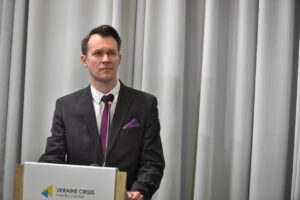
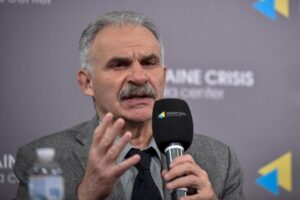
Volodymyr Tylishchak, Deputy Head of the Ukrainian Institute of National Memory, emphasized that Operation North is not only the history of a particular religious organization, but part of Ukraine’s broader history, as it was inseparable from the repressive policies of the totalitarian regime.
“This operation clearly demonstrates the criminal nature of a totalitarian regime that is ready to destroy anyone who disagrees with it. That is why this operation, like other crimes of the totalitarian regime, cannot be forgotten or ignored. This tragic experience remains relevant and must be understood as part of Ukraine’s national memory,” he stated.
Volodymyr Tylishchak stressed that preserving the memory of these historical episodes is essential and should occur not only through official reports and statistics, but also through an awareness of the human dimension of tragedies that the totalitarian regime sought to erase.
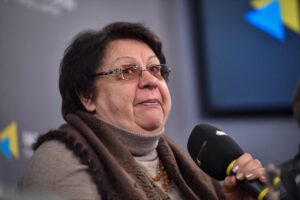
Liudmyla Fylypovych, President of the Ukrainian Association of Researchers of Religion, recalled the contribution of Ukrainian philosopher and scholar Petro Yarotskyi, who helped open a new perspective on the history of Jehovah’s Witnesses from an anti-communist standpoint, thereby laying the methodological foundation for how independent Ukraine, aspiring to join the European Union, should approach issues of freedom of conscience.
“The Communist Party program stated that we were building a society free of religion. If religion was mentioned at all, it was only in negative terms. I consider it a real achievement that Petro Lavrentiiovych proposed viewing the history of Jehovah’s Witnesses from an anti-Soviet perspective,” she noted.
Liudmyla Fylypovych emphasized that commemorating events of 75 years ago goes far beyond confessional issues. According to her, the forced deportation of more than six thousand Ukrainians from Western Ukraine to Siberia, the Irkutsk and Tomsk regions, is evidence of the systemic degradation of human dignity practiced by the communist regime.
“When we recall these events, we must understand that this history is not only about confessional or religious discrimination. It is about discrimination against human dignity in general.”
She also stressed that under totalitarianism, faith preserved a person’s sense of spiritual identity, which the regime deliberately sought to destroy. The resilience of Jehovah’s Witnesses—their willingness not to betray their convictions even under threat of death—serves as clear confirmation of this.
Andrii Kohut, Director of the Sectoral State Archive of the Security Service of Ukraine, noted that the deportations of 1947–1951 were carried out according to a unified scheme and covered various regions, including the Baltic states and the Black Sea region. According to him, while earlier deportations targeted ethnic groups or families of underground movement participants, Operation North was particularly indicative because it directly targeted a religious community—Jehovah’s Witnesses.
“This shows whom the Kremlin considered its enemies—anyone who sought to live differently: supporters of an independent Ukraine, those who did not fit ethnic criteria, or those who believed in God,” he emphasized.
He added that studying deportations is essential for a deeper understanding of Soviet repressive practices during the late Stalinist period. Operation North was one of the last large-scale deportations carried out from the territory of Ukraine using an established mechanism.
“Our priority is to hear those who were repressed and those who suffered under this regime. At the same time, it is equally important to understand how the criminal mechanism that carried out these repressions functioned,” he said.
Mr. Kohut also noted that archival documents provide deeper insight into these processes, and that analysis of historical and contemporary events shows the reproduction of old repressive practices in the temporarily occupied territories of Ukraine. Despite changes in historical eras—from the Russian Empire to the USSR and modern Russia—the mechanisms of repression remain essentially unchanged.
Kostiantyn Berezhko, Candidate of Historical Sciences and an external researcher at the Chair for the Study of Totalitarianism at Dresden Technical University, emphasized the importance of understanding deportations not only through statistics but primarily through human stories. According to him, research has made it possible to identify hundreds of deported individuals—more than 800 in Lviv region alone—thanks to archival work and a specially developed methodology.
He stressed that such research restores names and personal stories, contributing to the preservation of historical memory. He also noted that international practices of commemoration, particularly individualized forms such as stumbling stones, offer an important example for Ukraine in properly honoring victims of totalitarian regimes.
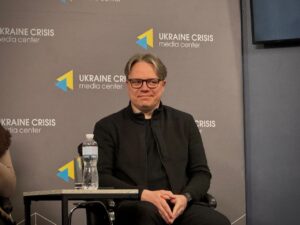
Tomasz Bugaj, Doctor of Cultural Studies, stated that the study of deportations, including Operation North, fits into the broader European context of researching the memory of victims of totalitarian regimes, where Jehovah’s Witnesses have long occupied a visible place among studied groups.
According to him, the experience of deportations is particularly valuable for understanding trauma and mechanisms of coping with it, as it shows similarities with modern crises, including war. He emphasized that deportations involved deep psychological trauma but also revealed key survival factors, including the strength of community, faith, and mutual support.
Bugaj stressed that further research, documentation of testimonies, and development of commemorative practices are necessary both for academia and for society, as they contribute to understanding the past, shaping collective memory, and better comprehending the present.
The event took place in the format of an open discussion. Participants also had the opportunity to watch a video presentation depicting the life stories and experiences of victims of the 1951 forced deportation.
DESS expressed special gratitude to the Ukrainian Crisis Media Center for technical assistance in organizing and holding the round table.